The Language of Growth:Understanding the English Expressions of Child Development
Introduction
The journey of childhood is a tapestry woven with threads of learning, exploration, and growth. As a育儿专家, I am often asked about the best ways to describe the stages of child development in English. This article aims to provide a comprehensive guide to the language of growth, exploring the key phrases and expressions that capture the essence of a child's development from infancy to adolescence.
Early Childhood: The Foundation of Growth
1、"Hitting Milestones" - This phrase is commonly used to describe the significant developmental achievements that children reach at various ages. For example, a child "hitting a milestone" might mean they have learned to walk or speak their first words.
2、"Crawling to Walking" - A key stage in a child's physical development, this phrase encapsulates the transition from mobility on all fours to upright locomotion, a critical step in a child's journey towards independence.
3、"Babbling to First Words" - Language development is a gradual process, and this expression highlights the progression from inarticulate sounds to the first clear words a child utters.
Middle Childhood: The Years of Rapid Development
1、"Socialization" - As children grow, they begin to interact more with their peers, learning social norms and developing relationships. This term refers to the process of becoming a part of a group or society.
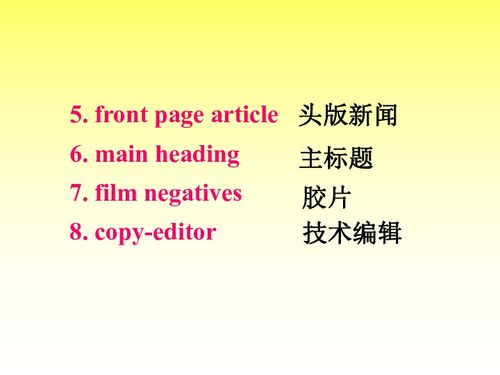
2、"Cognitive Development" - This encompasses the growth of a child's thinking abilities, including memory, attention, language, and problem-solving skills. It is a crucial aspect of a child's intellectual growth.
3、"Emotional Regulation" - As children mature, they learn to manage their emotions more effectively. This term describes the ability to control one's feelings and reactions in various situations.
Adolescence: The Turbulent Journey to Adulthood
1、"Puberty" - This term refers to the physical and hormonal changes that mark the transition from childhood to adulthood. It is a time of significant growth and change, both physically and emotionally.
2、"Identity Formation" - Adolescents often grapple with questions of who they are and where they fit in the world. This phrase describes the process of developing a sense of self and personal identity.
3、"Peer Influence" - As adolescents seek to fit in and be accepted, their peers can have a significant impact on their behavior and choices. This term highlights the importance of social groups in shaping a teenager's development.
The Language of Emotional and Social Growth
1、"Resilience" - The ability to bounce back from adversity is a crucial skill for children to develop. This term describes the capacity to recover from or adjust easily to misfortune or change.
2、"Empathy" - Understanding and sharing the feelings of others is a vital aspect of social development. Empathy is the ability to perceive and share the emotional states of others.

3、"Conflict Resolution" - As children interact with others, they inevitably encounter disagreements. This term refers to the strategies and skills used to resolve conflicts in a constructive manner.
The Language of Cognitive and Academic Growth
1、"Critical Thinking" - The ability to analyze information objectively and form judgments based on evidence is a key cognitive skill. This term is often used to describe the process of thinking deeply about a subject.
2、"Learning to Learn" - As children progress through their education, they develop strategies for effective learning. This phrase captures the idea of becoming an autonomous learner.
3、"Academic Achievement" - This term refers to the success a child experiences in their educational pursuits, often measured by grades, test scores, and other academic indicators.
Conclusion
The language of growth is rich and varied, reflecting the complexity of child development. By understanding these key phrases and expressions, parents, educators, and caregivers can better communicate about the stages and processes that children undergo as they grow. Whether it's the joy of a child's first steps or the challenges of adolescence, the language of growth helps us to navigate and support these formative years. As育儿专家, I encourage you to embrace this language, using it to foster understanding, support, and celebration of the incredible journey that is a child's development.
Java接口详解:从RemoteControl到OrderService,轻松掌握接口设计与实现
VBA教程:从HelloWorld到高效编程,轻松掌握自动化办公技巧
CSS background属性详解:从基础定义到实战应用,轻松掌握网页背景设计技巧
一见钟情英文怎么说?Love at First Sight地道用法与浪漫表达全解析
JSP动态网页开发全攻略:从入门到精通,轻松掌握JavaServer Pages核心技术
JSP是什么?揭秘JavaServer Pages如何让网页动态化,轻松解决数据实时展示难题
Office办公软件教程:从零基础到高效办公,轻松掌握Word、Excel、PowerPoint核心技巧
Excel四舍五入函数全解析:轻松掌握ROUND函数,告别杂乱数据烦恼
Windows Server 2012 R2升级指南:告别安全风险,轻松迁移到2022或云端