Playful Learning:How Playtime Fosters Cognitive,Social,and Emotional Development in Children
Introduction
Play is a fundamental aspect of childhood, and it is through play that children learn about the world around them, develop social skills, and build their emotional intelligence. The English translation for "玩耍" is "play," and this article will delve into the importance of play in a child's development and how it contributes to their overall well-being.
The Cognitive Benefits of Play
1、Language Development
Play is a natural environment for language acquisition. When children engage in pretend play, they often take on different roles and use language to express their thoughts and feelings. This not only helps them expand their vocabulary but also improves their grammar and sentence structure. For example, a child playing "house" might say, "I am making dinner for my family," which demonstrates the use of the present continuous tense and the concept of family.
2、Problem-Solving Skills
Play often involves challenges that require children to think critically and find solutions. Whether it's building a tower with blocks or figuring out how to get a ball into a basket, these activities encourage children to use logic and creativity. This problem-solving process is essential for cognitive development and prepares them for more complex tasks in the future.
3、Memory and Attention
Playing games that involve memory, such as "Simon Says" or "Memory" card games, can help children improve their short-term memory. Additionally, activities that require sustained attention, like following the rules of a board game, can help children develop their ability to focus and concentrate.
4、Spatial Awareness
Building with blocks, drawing, or playing with puzzles all contribute to a child's spatial awareness. These activities help children understand the relationship between objects in space and improve their ability to visualize and manipulate objects in their mind.
The Social Benefits of Play
1、Cooperation and Collaboration
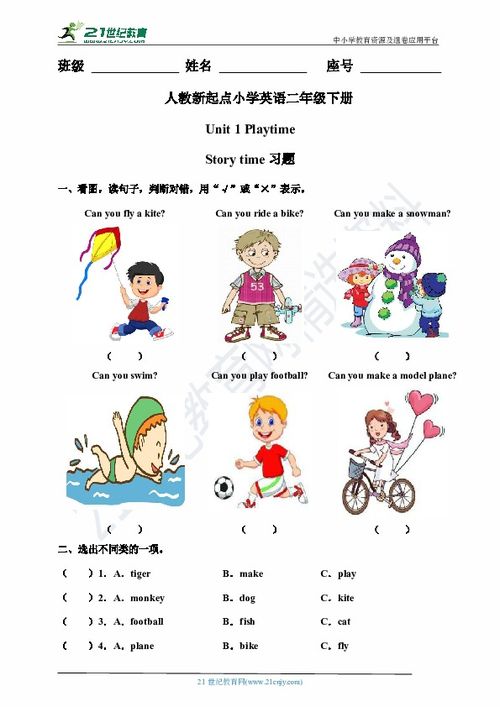
Group play, such as team sports or cooperative games, teaches children the importance of working together to achieve a common goal. They learn to take turns, share, and support each other, which are essential skills for building and maintaining relationships.
2、Conflict Resolution
Play often involves disagreements or conflicts, which provide children with opportunities to practice resolving issues. Whether it's deciding who gets to be the superhero or figuring out how to share toys, children learn to communicate their feelings and find compromises.
3、Empathy and Understanding
Role-playing and pretend play allow children to step into another's shoes and experience different perspectives. This can foster empathy and understanding, as children learn to consider the feelings and needs of others.
The Emotional Benefits of Play
1、Emotional Regulation
Play provides a safe space for children to express their emotions. Whether it's through dramatic play, where they can act out their feelings, or through physical play, where they can release pent-up energy, children learn to recognize and manage their emotions.
2、Self-Esteem and Confidence

Mastering new skills or achieving a goal in play, such as learning to ride a bike or winning a game, can boost a child's self-esteem and confidence. These successes help children believe in their abilities and encourage them to take on new challenges.
3、Resilience
Play also teaches children about resilience. When they fail at a task or lose a game, they learn that it's okay to make mistakes and that they can try again. This resilience is crucial for overcoming obstacles and setbacks in life.
The Role of Parents and Educators
Parents and educators play a vital role in facilitating play and ensuring that it is a positive experience for children. Here are some ways they can support play:
1、Provide a Variety of Play Opportunities
Offering a range of play materials and activities can help children explore different interests and develop a variety of skills. This might include art supplies for creative play, building blocks for spatial awareness, or sports equipment for physical play.
2、Encourage Free Play
Allowing children to direct their own play can foster creativity and independence. Instead of prescribing every detail of a play scenario, let children take the lead and follow their interests.

3、Model Positive Behavior
Children learn by observing the adults around them. By modeling good sportsmanship, kindness, and respect during play, parents and educators can teach children these important values.
4、Be Involved but Not Overbearing
It's important to be present and engaged in a child's play but also to give them space to explore and learn on their own. Offer guidance when needed, but avoid taking over or dictating every aspect of the play.
5、Create a Safe Environment
Ensure that the play environment is safe and conducive to learning. This includes providing appropriate supervision, especially for younger children, and setting clear boundaries and expectations for behavior.
Conclusion
Play is not just a pastime; it is a critical component of a child's development. It is through play that children learn to think, socialize, and regulate their emotions. By understanding the importance of play and providing opportunities for children to engage in it, parents and educators can help shape well-rounded, confident, and capable individuals. As the English translation for "玩耍" is "play," it is clear that play is a universal language that speaks to the heart of childhood and contributes to the growth of every child.
Java接口详解:从RemoteControl到OrderService,轻松掌握接口设计与实现
Java多线程编程实战指南:从基础Runnable到高级CompletableFuture与锁机制详解
CDR是什么软件?CorelDRAW矢量设计软件详解与实用指南
鄙视的英文怎么说?掌握despise、contempt、scorn等精准表达,轻松应对各种轻蔑场景
一见钟情英文怎么说?Love at First Sight地道用法与浪漫表达全解析
轻松掌握remember to do和doing区别:告别语法混淆,准确表达未来提醒与过去回忆
回忆的英文:轻松掌握remember、recall等词汇区别与用法,告别记忆混淆的烦恼
Windows Server 2012 R2升级指南:告别安全风险,轻松迁移到2022或云端
PS怎么去水印?3分钟学会Photoshop完美去除水印的4种简单方法