Introduction
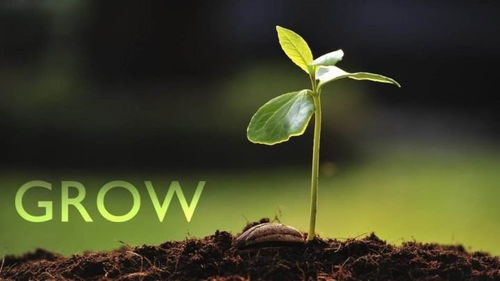
The word "grow" is a powerful one in the context of child development. It encapsulates the essence of change, progress, and the unfolding of potential. In English, "grow" is not just a verb; it's a promise of what's to come, a testament to the dynamic nature of life. As育儿专家, I am often asked about the various aspects of growth in children, from physical to emotional, cognitive to social. This article aims to delve into the multifaceted concept of "grow" and explore its significance in the journey of a child from infancy to adulthood.
Physical Growth: The Foundation
The most apparent form of growth is physical. From the moment of birth, a child's body is in a state of constant development. The rapid changes in size, strength, and coordination are a testament to the biological processes that drive growth. Nutrition, sleep, and exercise are the cornerstones of physical growth, and parents play a crucial role in providing a supportive environment that fosters these aspects.
Nutrition is the fuel that powers growth. A balanced diet rich in proteins, vitamins, and minerals is essential for a child's physical development. As a育儿专家, I advise parents to introduce a variety of foods early on to ensure a broad spectrum of nutrients. This not only supports physical growth but also helps in the development of taste preferences and healthy eating habits.
Sleep is another critical component of physical growth. During sleep, the body releases growth hormones that are vital for the development of bones and muscles. Ensuring that children get enough quality sleep is essential for their overall health and well-being.
Exercise is the final piece of the physical growth puzzle. Engaging in regular physical activity not only strengthens the body but also enhances cognitive function and emotional well-being. Encouraging children to participate in age-appropriate sports and activities can help them develop a lifelong love for movement and maintain a healthy lifestyle.

Cognitive Growth: The Mind Expands
Cognitive growth is the development of the mind, including the ability to think, reason, and solve problems. This aspect of growth is closely tied to a child's educational experiences, both formal and informal. As a育儿专家, I emphasize the importance of providing children with a rich learning environment that stimulates their curiosity and encourages exploration.
From an early age, children are natural learners. They absorb information through play, which is a crucial part of cognitive development. Parents and educators should provide a variety of learning materials and experiences that cater to different interests and learning styles. This could include puzzles, books, art supplies, and opportunities for hands-on learning.
As children grow, their cognitive abilities become more complex. They begin to understand abstract concepts, develop logical reasoning, and refine their problem-solving skills. Encouraging critical thinking and providing opportunities for children to apply their knowledge in real-world situations can help them develop these higher-order cognitive skills.
Emotional Growth: The Heart Opens
Emotional growth is the development of a child's ability to recognize, understand, and manage their emotions. This is a critical aspect of personal development and is closely linked to mental health and social skills. As a育儿专家, I advocate for the importance of emotional intelligence in children's overall well-being.
From birth, children experience a range of emotions, and it's essential for parents to validate these feelings and provide guidance on how to express them appropriately. Modeling healthy emotional expression and providing a safe space for children to share their feelings can help them develop emotional resilience.
As children grow, they also learn to empathize with others and develop a sense of compassion. This is an important part of emotional growth, as it fosters social connections and interpersonal relationships. Encouraging children to engage in activities that promote empathy, such as volunteering or group projects, can help them develop these skills.
Social Growth: The World Connects
Social growth is the development of a child's ability to interact with others and navigate social situations. This includes the ability to form friendships, cooperate, and communicate effectively. Social skills are essential for success in school and later in life, both personally and professionally.
From an early age, children learn social skills through play and interaction with peers. Parents can facilitate social growth by arranging playdates, enrolling children in group activities, and encouraging participation in team sports. These experiences help children learn to share, take turns, and resolve conflicts in a constructive manner.
As children grow, their social circles expand, and they begin to form more complex relationships. They learn to navigate the social hierarchies of school and develop a sense of identity within their peer groups. Parents and educators can support social growth by teaching children about respect, fairness, and the importance of diversity and inclusion.
Conclusion
In conclusion, the concept of "grow" in child development is a multifaceted one, encompassing physical, cognitive, emotional, and social aspects. Each of these areas is interconnected and plays a vital role in shaping the child's overall development. As a育儿专家, I encourage parents to be mindful of these different facets of growth and to provide a nurturing environment that supports and encourages the unfolding of their child's potential. By doing so, we can help children grow into well-rounded individuals, ready to face the challenges and opportunities of life with confidence and resilience.
Office办公软件教程:从零基础到高效办公,轻松掌握Word、Excel、PowerPoint核心技巧
一见钟情英文怎么说?Love at First Sight地道用法与浪漫表达全解析
失望的英文怎么说?学会Disappointment等表达,轻松应对各种失落场景
VBA教程:从HelloWorld到高效编程,轻松掌握自动化办公技巧
Java接口详解:从RemoteControl到OrderService,轻松掌握接口设计与实现
Java基础入门:从Hello World到项目实战,轻松掌握编程核心
张晨曦:从Hello World到AI领军人物的成长之路与创新突破
C语言教程:从Hello World到指针结构体,轻松掌握编程基础
Java教程:从Hello World到实战项目,轻松掌握编程核心技能