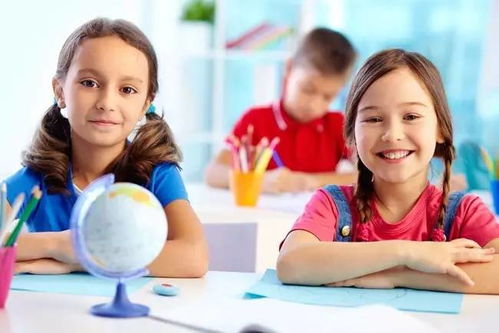
In the bustling world of modern parenting, where schedules are packed with structured activities and academic pursuits, the concept of play often takes a backseat. However, the importance of play in a child's life cannot be overstated. Play is not merely a pastime; it is a fundamental aspect of child development that fosters creativity, social skills, problem-solving abilities, and emotional well-being. This essay delves into the multifaceted benefits of play and why it should be treasured as an essential component of a child's growth.
Play is a child's first language, a medium through which they explore, learn, and understand the world around them. It is a natural instinct that begins in infancy and continues through the early years of life. When children play, they are not just having fun; they are engaging in a complex process that helps them develop cognitively, socially, and emotionally.
Cognitive Development: The Playground of the Mind
Play is a powerful tool for cognitive development. It allows children to practice and refine their thinking skills. Through play, children learn to categorize, sequence, and analyze, which are essential skills for academic success. For example, building with blocks helps children understand spatial relationships and problem-solving. Pretend play, such as cooking in a make-believe kitchen, enhances memory and planning skills as children must remember the steps of a process and decide on the sequence of actions.
Social Development: The Stage of Social Interaction
Play is also crucial for social development. It provides a safe environment for children to practice social skills, such as cooperation, sharing, and empathy. In group play, children learn to take turns, listen to others, and respect different perspectives. Role-playing games, in particular, can help children understand the feelings and thoughts of others, which is a key aspect of emotional intelligence.

Physical Development: The Gym of the Body
Physical play is essential for the development of gross and fine motor skills. Activities like running, jumping, and climbing help children build strength, balance, and coordination. Fine motor skills, which involve the small muscles of the hands and fingers, are developed through activities like drawing, cutting, and threading beads. These skills are not only important for physical health but also lay the foundation for writing and other academic tasks.
Emotional Development: The Sanctuary of Feelings
Play is a sanctuary for emotional development. It allows children to express and regulate their emotions in a healthy way. Through play, children can work through feelings of frustration, anger, or sadness. For instance, a child who is upset about a conflict at school might act out the scenario with toys, allowing them to process the event and find a resolution. Play also provides a context for children to practice self-control and resilience, as they learn to cope with the challenges and setbacks that come with play.
Language and Communication Skills: The Verbal Playground
Language development is another area where play excels. Conversations during play, whether it's with peers or adults, help children expand their vocabulary and understand the nuances of language. Storytelling and imaginative play encourage the use of complex sentences and the development of narrative skills, which are crucial for reading and writing.
The Role of Technology and Screen Time
In today's digital age, there is a growing concern about the impact of screen time on children's development. While technology can be a valuable educational tool, it should not replace the importance of unstructured play. Screen time often involves passive engagement, whereas play requires active participation and interaction. It is essential to strike a balance, ensuring that children have ample opportunities for physical, imaginative, and social play alongside their digital activities.
The Importance of Parental Involvement
Parents and caregivers play a vital role in nurturing a child's love for play. By providing a variety of play materials and opportunities, adults can encourage children to explore different interests and develop a range of skills. Engaging in play with children also strengthens the parent-child bond and provides a context for teaching values, manners, and social norms.
Conclusion: The Invaluable Role of Play
In conclusion, play is not an optional extra in a child's life; it is a cornerstone of their development. It is through play that children learn to think, socialize, move, feel, and communicate. As育儿专家, I encourage parents and educators to prioritize play in children's lives, recognizing it as a powerful and essential tool for growth. By doing so, we can help shape well-rounded individuals who are ready to face the challenges and opportunities of the world with creativity, resilience, and a sense of joy.
Office办公软件教程:从零基础到高效办公,轻松掌握Word、Excel、PowerPoint核心技巧
CDR是什么软件?CorelDRAW矢量设计软件详解与实用指南
VBA教程:从HelloWorld到高效编程,轻松掌握自动化办公技巧
失望的英文怎么说?学会Disappointment等表达,轻松应对各种失落场景
each和every的区别:英语学习者必看,轻松掌握不再混淆
Java基础入门:从Hello World到项目实战,轻松掌握编程核心
张晨曦:从Hello World到AI领军人物的成长之路与创新突破
C语言教程:从Hello World到指针结构体,轻松掌握编程基础
Java教程:从Hello World到实战项目,轻松掌握编程核心技能